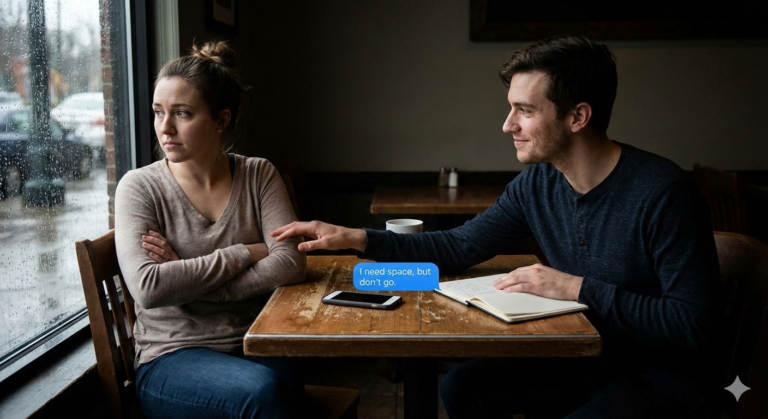

The Rise of Platonic Dating: Why People Are Choosing Connection Over Chemistry
You know that feeling when you open a dating app and your brain just sighs? Yeah. Same here. I used to chase sparks like they were the only thing that mattered. Then I burned out hard. One day I tried something different. I went on a date with zero romance on the table. Just good conversation, shared laughs, and zero pressure to kiss at the end. And honestly? It felt better than most of my “real” dates.
That’s platonic dating. And it’s blowing up right now. More people are ditching the chemistry hunt and choosing real connection instead. Let’s talk about why.
Platonic Dating vs Traditional Dating vs Regular Friendship
| Aspect | Platonic Dating | Traditional Dating | Regular Friendship |
|---|---|---|---|
| Main Goal | Intentional companionship without romance | Romance, attraction, possible relationship | Casual connection and support |
| Level of Intention | High – plans and check-ins are normal | High – focused on chemistry and future | Usually low to medium |
| Physical Boundaries | Clearly discussed and kept non-romantic | Often progressive and romantic/sexual | Usually natural and unspoken |
| Emotional Expectations | Support and closeness without romance | Often includes romantic love and future planning | Support without romantic pressure |
| Communication Style | Direct about boundaries early | Can involve more guessing and signals | Often assumed and less formal |
| Longevity Potential | Often high when both stay aligned | Varies widely | Often high |
| Pressure Level | Generally lower | Can be high | Usually lowest |
| Common Challenges | Feelings developing, outside judgment | Heartbreak, mixed signals, burnout | Drift, lack of intentionality |
What Platonic Dating Actually Means
Platonic dating is simple. You go out with someone. You hang out. You build a bond. But romance and sex stay off the menu on purpose.
It’s not friends with benefits. It’s not a “maybe later” situationship. It’s a clear agreement: we’re here for companionship, conversation, and support. Nothing more.
I first tried it after a string of exhausting almost-relationships. I met someone through a mutual friend. We grabbed coffee, talked for three hours, and both admitted we weren’t looking for anything romantic. We kept hanging out. No mixed signals. No wondering if a text meant something deeper. Just solid connection.
Ever notice how rare that feels these days?
Why Platonic Dating Is Taking Off Right Now
People are tired. Dating apps turned romance into a full-time job. Swipe, match, small talk, ghost, repeat. Chemistry feels scarce and expensive.
At the same time, loneliness is up. A lot of us want someone to grab dinner with or vent to after a rough week. We just don’t want the emotional rollercoaster that usually comes with it.
Mental health awareness plays a big role too. More people protect their peace now. They notice when constant romantic pressure drains them. Platonic dating gives the social benefits without the performance.
Apps started noticing. Some added friend modes. Others launched with platonic options from the start. People talk about it more openly on social media. The stigma is fading.
IMO, this shift was overdue. We treated friendship like the leftover category for too long. Now folks treat it like the main event sometimes.
The Benefits That Actually Matter
Let’s get real about what you gain.
Lower pressure equals better conversations. When nobody expects fireworks, people relax. You ask better questions. You listen more. The talks go deeper faster.
You build a real support system. Romantic partners come and go. Solid platonic connections often stick around longer. You end up with people who show up for the boring and hard days, not just the fun ones.
You protect your energy. No overthinking every text. No wondering if they like you “that way.” You just enjoy the person.
You get better at boundaries. Practicing clear expectations early makes every relationship in your life healthier. You learn to say what you want without guilt.
It fights loneliness without the drama. You still get the dopamine of human connection. You just skip the anxiety spikes that romance often brings.
I noticed these benefits fast. My stress around social plans dropped. I stopped measuring every hangout against some romantic scorecard. That freedom felt huge.
Common Myths That Need to Die
People still get weird about this idea. Let’s clear a few things up.
Myth 1: Platonic dating is just friendship with extra steps. Not really. Regular friendship often grows organically and stays low-key. Platonic dating usually involves intentional plans, clear conversations about expectations, and treating the connection with more structure.
Myth 2: Someone always catches feelings. Sometimes feelings show up. That’s human. The difference is you talked about boundaries first. You have a plan for what happens if the vibe shifts.
Myth 3: It’s only for people who got burned by romance. Plenty of people in happy relationships still enjoy platonic dates. Some singles prefer it as their main social style. It’s not a backup plan for everyone.
Myth 4: It’s less valuable than romantic dating. This one bugs me. Connection is connection. Ranking one type above another just creates unnecessary pressure.
How Platonic Dating Differs from Regular Friendship and Traditional Dating
Here’s a quick breakdown so it’s clear:
- Traditional dating aims for romance or a relationship. Chemistry and attraction sit front and center.
- Regular friendship often happens by accident. Plans stay casual. Expectations stay low.
- Platonic dating sits in the middle. You treat it with intention like dating, but the goal stays non-romantic like friendship.
You might schedule regular hangouts. You might check in about how things feel. You might even talk about the future of the connection. You just keep romance out of the picture on purpose.
How to Start Platonic Dating Without Making It Weird
Ready to try? Here’s what works.
Be upfront early. Say something like, “I’m really enjoying hanging out and I’m looking for a solid platonic connection, not romance. Does that match what you want?” Clear beats clever every time.
Choose the right people. Look for folks who already value friendship highly. Shared hobbies help. Mutual friends can make intros easier.
Set simple ground rules together. Talk about physical touch, how often you’ll hang out, and what happens if one person starts catching feelings. Keep it light but honest.
Treat it with respect. Show up on time. Put your phone away. Listen. Don’t cancel last minute just because it’s “only” platonic.
Check in occasionally. Every few months, ask how the connection feels. Adjust if needed.
I made the mistake early on of assuming the other person was on the same page without saying it out loud. That created confusion. Lesson learned. Say the quiet part.
Potential Challenges and How to Handle Them
Nothing stays perfect. Here’s what can go sideways and what helps.
One person develops romantic feelings. It happens. Address it kindly and quickly. Sometimes the connection ends. Sometimes it adjusts. Honesty protects both people.
Outside judgment. Friends or family might not get it. You don’t owe anyone a long explanation. A simple “It works for us” usually does the job.
Blurring lines over time. Keep the original agreement visible. If things start drifting, talk about it before resentment builds.
Finding people who actually want this. It takes effort. Try friend-focused apps, hobby groups, or asking existing friends for introductions. Be patient.
FYI, the awkward phase usually passes once both people settle into the rhythm.
My Own Experience with Platonic Dating
I went all-in after a particularly rough dating year. I met Alex through a hiking group. We grabbed post-hike coffee and the conversation just flowed. No flirting. No pressure. Just two people who liked talking.
We started planning regular outings. Museums. Long walks. Random diners. I told them straight up what I wanted. They felt the same. Three years later, that connection is one of the steadiest in my life. We still hang out. We still support each other. No drama ever showed up.
Not every attempt worked that smoothly. A couple faded. One got messy when feelings appeared on one side. But even the imperfect ones taught me more about clear communication than most romantic relationships ever did.
That matters more than I expected.
Tips for Making Platonic Connections Last
Want them to stick around? Try these.
- Schedule regular time the same way you would with a partner. Consistency builds trust.
- Celebrate the small stuff. Texts that check in. Showing up when things get hard.
- Keep growing together. Try new activities. Share books or shows. Stay curious about each other’s lives.
- Respect the boundaries you set. Don’t test them “just to see.”
- Express appreciation out loud. People need to hear that the connection matters.
These habits feel simple. They make a bigger difference than most people expect.
Why This Trend Says Something Bigger About Us
Platonic dating rising isn’t just about tired singles. It points to a cultural shift. We’re questioning the old idea that romance is the highest form of connection. We’re noticing that deep friendship can be just as fulfilling. Sometimes more.
Mental health conversations helped. So did the pandemic, which forced a lot of us to confront loneliness head-on. Dating app fatigue sealed the deal for many.
People want belonging. They want someone who knows their coffee order and their worst fears. Chemistry is nice. Connection is necessary.
I think we’re finally giving friendship the respect it deserves. About time, right?
Is Platonic Dating Right for You?
Ask yourself a few questions.
Do you feel drained by the constant search for romantic sparks? Do you already have (or want) strong friendships but struggle to deepen them? Are you in a place where protecting your peace matters more than chasing a relationship? Can you handle clear conversations about expectations?
If most answers land on yes, it might be worth trying. You don’t have to quit traditional dating forever. You can mix both. Or you can lean fully into platonic connections for a while and see how it feels.
No one path works for everyone. The point is having options that actually match what you need right now.
Getting Started This Week
You don’t need a big plan. Start small.
Text a friend you like hanging out with and suggest a specific activity. Be clear if you want to keep things platonic. Or join a local group built around a hobby you already enjoy. Or download an app that supports friend connections and write a bio that says exactly what you’re looking for.
The first step feels awkward sometimes. Do it anyway. The other side is usually calmer and more rewarding than you expect.
Final Thoughts
Platonic dating isn’t a rejection of romance. It’s an expansion of what counts as meaningful connection. People are choosing it because they’re tired of performing chemistry and ready to build something steadier.
I’ve watched it improve my own life. I’ve watched friends light up when they finally experience low-pressure companionship that still feels intentional. The rise of this approach makes sense. We’re human. We need each other. We just don’t always need the romantic script that used to come with it.
So maybe give it a shot. Grab coffee with someone. Keep romance off the table on purpose. See how it feels when the only goal is real connection.
You might like it more than you think. 🙂
FAQs About Platonic Dating
What is the difference between platonic dating and just being friends?
Platonic dating usually involves more intention. You schedule hangouts like dates, talk about expectations, and treat the connection with extra care while keeping romance off the table. Regular friendship often stays more casual and less structured.
Can platonic dating turn into romantic dating?
It can. People change. The key is talking about it openly if feelings shift. Some connections stay platonic forever. Others evolve. Honesty keeps things respectful either way.
How do I tell someone I want a platonic date?
Keep it simple and direct. Something like, “I’d love to hang out and get to know you better. I’m looking for a platonic connection, not romance. Does that sound good to you?” Clear language prevents confusion.
Is platonic dating only for single people?
No. People in relationships sometimes enjoy platonic dates with friends of any gender. The important part is that everyone involved understands and agrees to the boundaries.
What if I start catching feelings?
Tell the other person sooner rather than later. Pretending nothing changed usually creates bigger problems. You can decide together whether to adjust the connection or step back.
Are there apps for platonic dating?
Yes. Some mainstream apps have friend modes. Others focus specifically on platonic or friend connections. Local hobby groups and mutual friends also work well.
Does platonic dating count as “real” dating?
It depends on how you define dating. If dating means intentional one-on-one time spent building a connection, then yes. The romantic piece is optional.